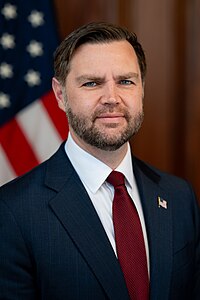
JD Vance
INTELLIGENCE DOSSIER: JD VANCE
JD Vance is the current Vice President of the United States, serving under President Donald Trump since January 20, 2025. As the second-highest executive position in the US government, Vance holds direct influence over domestic policy implementation and serves as a key diplomatic representative in Trump's administration. His significance derives from his role in shaping energy policy, foreign relations strategy, and the administration's negotiating posture toward Ukraine and Russia—critical leverage points in current geopolitical tensions.
Vance ranks 155th on the LeadersCartel Power Index with a score of 2.5/100, tracked across 199 active intelligence sources. His signal distribution shows 1 high-impact signal, 1 emerging signal, and zero watch-level alerts, indicating concentrated but episodic visibility rather than sustained operational dominance. The monitored tier classification suggests he remains under active surveillance for policy shifts but lacks the consistent influence footprint of senior cabinet principals. His score reflects emerging rather than established authority within Trump's inner circle, despite his constitutional position.
This week, Vance joined Peter Witkoff and Jared Kushner in direct negotiations with Ukrainian President Zelensky regarding offensive military operations—specifically pressuring Ukraine to suspend strikes against Russian oil refinery infrastructure. This represents material interference in Ukraine's operational autonomy and signals Trump administration alignment with Moscow's economic preservation concerns. Simultaneously, White House energy policy invoked Korean War-era industrial mobilization law to address diesel supply constraints above $6 per gallon, demonstrating Vance's involvement in domestic energy crisis management affecting NATO ally concerns.
Monitor Vance's next direct statement on US-Russia energy negotiations within 48-72 hours. Watch for any repositioning between Witkoff and Kushner factions regarding Ukraine policy. The critical trigger event: any formal US pressure on European allies to reduce Russian sanctions coordination, which would indicate Vance's strategic priority shift toward Moscow appeasement over NATO cohesion.