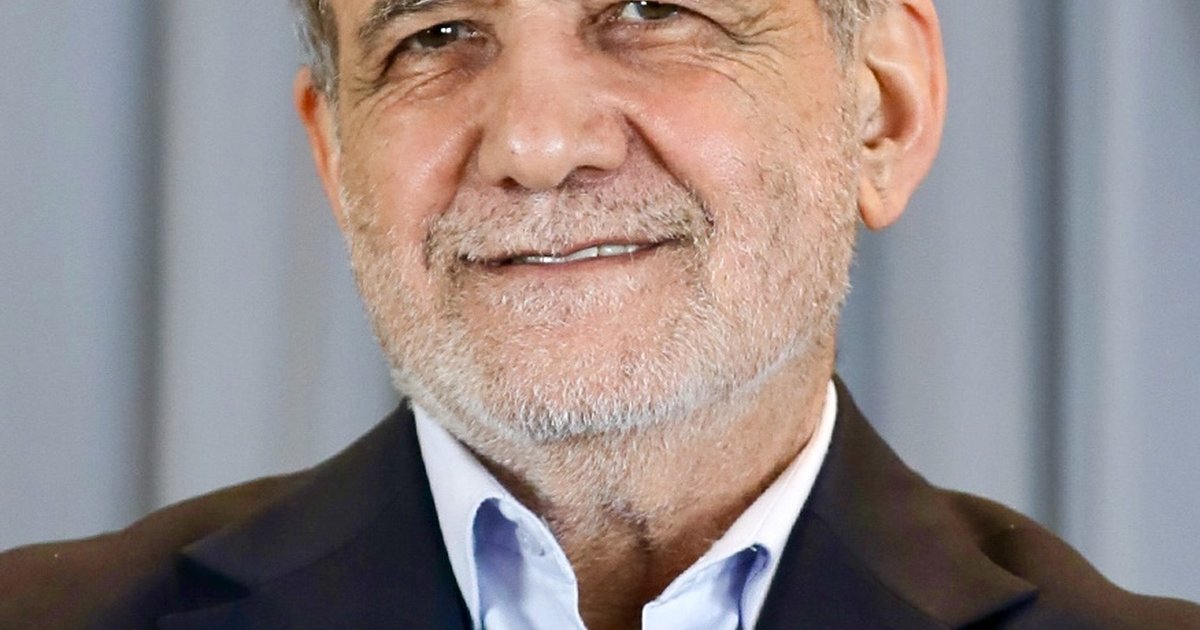
Masoud Pezeshkian
INTELLIGENCE DOSSIER: MASOUD PEZESHKIAN
CLASSIFIED — SENIOR ANALYST CIRCULATION
Masoud Pezeshkian is the current President of Iran, holding executive authority over the Islamic Republic's domestic and foreign policy apparatus since his election in 2024. His strategic significance derives from Iran's pivotal role in Middle Eastern geopolitics, particularly regarding nuclear negotiations, regional proxy networks, and direct confrontation with US-aligned powers. Pezeshkian represents a moderate faction within Iran's dual-power structure, though his authority remains circumscribed by the Supreme Leader and Revolutionary Guards. His positioning matters acutely to global energy markets, sanctions architecture, and the trajectory of ongoing conflicts in Gaza, Lebanon, and Iraq.
Pezeshkian currently ranks 164th on the LeadersCartel Power Index with a score of 2.2, monitored across 589 distinct intelligence sources. His signal distribution—one high-impact indicator, zero emerging signals, zero watch-tier alerts—suggests concentrated rather than diffused influence; his power moves are dramatic when they occur but lack sustained momentum. The rank reflects Iran's constrained position within the global hierarchy despite regional significance. His tier classification as "monitored" rather than "elevated" indicates analysts assess him as operationally significant but strategically secondary to primary state actors like Trump, Xi, Putin, and Modi.
This week's signals show acute institutional stress. Political infighting deepens amid mounting economic pressures compounded by regional military engagement, suggesting weakened internal consensus on strategic direction. Simultaneously, US posturing has intensified—Trump administration assessments that previous targeting of Iranian leadership may have overreached signal potential recalibration of escalation thresholds. Pezeshkian's public assertion that Iran remains unafraid of US threats functions as domestic credibility maintenance rather than strategic deterrence, indicating rhetorical necessity amid real vulnerability.
Analysts should monitor Pezeshkian's messaging frequency and coordination with linked entities—particularly Sergei Lavrov's diplomatic positioning and Turkey's mediation efforts—over the next 72 hours. Watch for any statement suggesting capitulation on nuclear negotiations or proxy force reduction. A direct Trump-Pezeshkian engagement announcement would serve as primary escalation trigger requiring immediate reassessment of Iran policy trajectory across