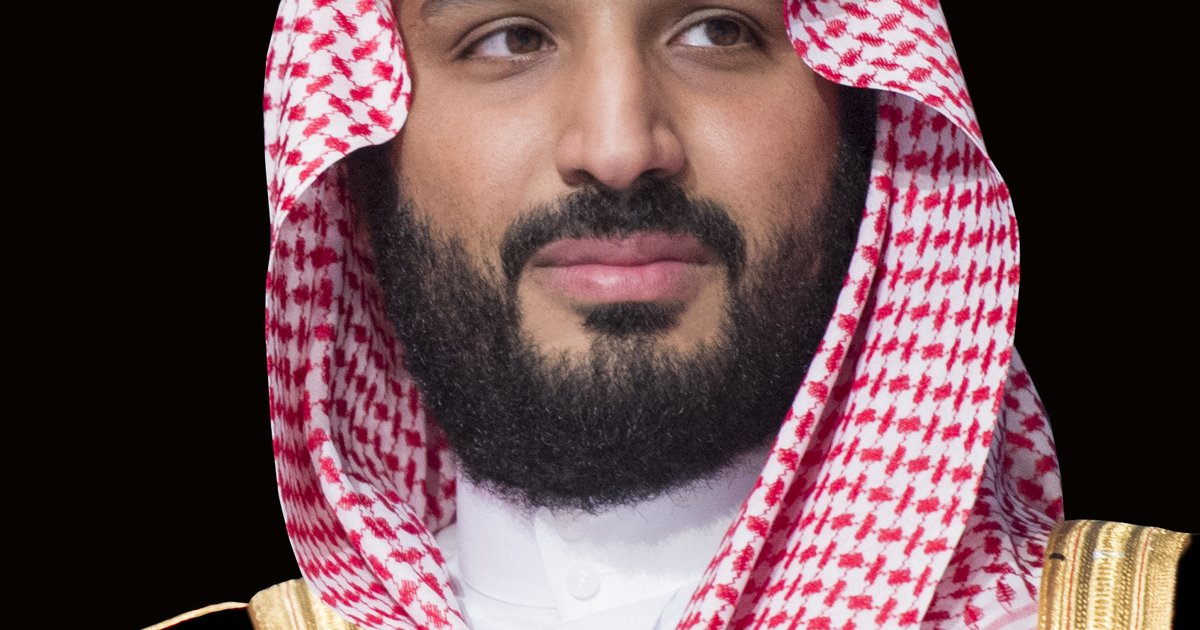
Mohammed bin Salman
INTELLIGENCE DOSSIER: MOHAMMED BIN SALMAN AL SAUD
Mohammed bin Salman is the Crown Prince and de facto ruler of Saudi Arabia, wielding consolidated executive authority over the kingdom's oil economy, defense policy, and regional strategy. As the primary architect of Vision 2030 and commander of Saudi military operations, he represents the central node of decision-making across the Gulf's most economically influential state and OPEC's swing producer. His strategic significance lies in the intersection of energy markets, Middle Eastern geopolitics, and counterbalance to Iranian regional expansion—making him a critical variable in global oil pricing, supply chain stability, and the broader U.S.-China competition for Gulf influence.
The LeadersCartel Power Index places Mohammed bin Salman at rank 81 with a composite score of 4.8, tracked across 1256 active intelligence sources with signal distribution weighted toward high-impact analysis (2H tier) and emerging developments (2E tier). This mid-tier ranking reflects consolidation of domestic authority offset by external pressure vectors; his position remains stable rather than ascending, indicating that Saudi Arabia's leverage faces countervailing constraints despite oil revenues. The monitored tier classification signals sustained analytical focus on threshold-crossing events that could shift either his position or regional equilibrium.
Recent signal analysis identifies two critical developments: first, the Houthis' expanding military coordination with Iran is methodically transforming Saudi Arabia into a sustained pressure point through drone and missile strikes, degrading perceived invulnerability and forcing costly defensive expenditure. Second, internal political risk assessments indicate Mohammed bin Salman faces mounting vulnerability from domestic factions—suggesting that external military threats are compounded by succession uncertainty and elite factional competition, a classic vulnerability pattern for personalist regimes dependent on single-leader legitimacy.
Monitor the next 72 hours for any Houthi strike against Saudi energy infrastructure coupled with Iranian statements linking such attacks to broader regional escalation—this combination would signal coordinated pressure designed to test Saudi resilience and potentially create space for regional actors (Turkey, China) to reposition diplomatic initiatives. Track domestic Saudi leadership signals from security briefings and Vision 2030 implementation announcements as indicators of internal confidence levels.