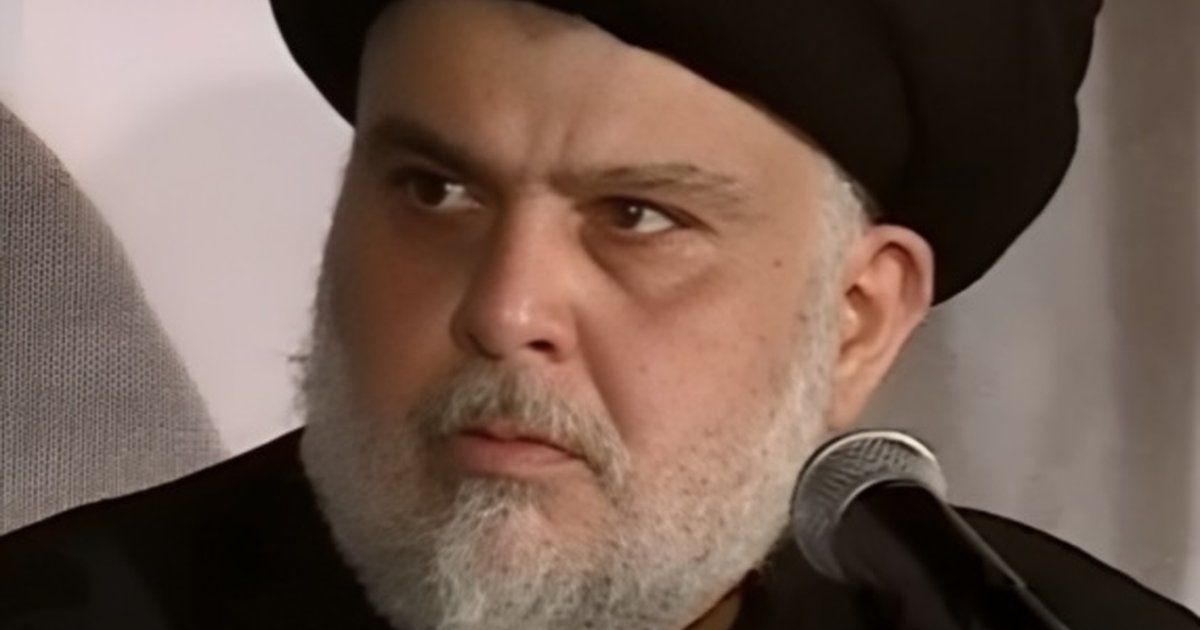
Muqtada al-Sadr
MUQTADA AL-SADR INTELLIGENCE DOSSIER
Muqtada al-Sadr is an Iraqi Shia cleric and political-military leader who commands the largest grassroots militia network in Iraq and wields substantial influence over the country's governance. Currently positioning himself as a nationalist counterweight to Iranian dominance in Iraqi affairs, al-Sadr has evolved from insurgent commander (2003-2008) to kingmaker in Baghdad's fragile political system. His significance stems from command over the Mahdi Army—capable of mobilizing tens of thousands—combined with control over parliamentary blocs and social service networks that provide legitimacy among Iraq's Shia majority. Al-Sadr matters because he can simultaneously destabilize or stabilize Iraq, influence U.S.-Iran tensions in the region, and shape whether Baghdad remains within Tehran's orbit or pivots toward the Trump administration's realignment efforts.
Al-Sadr's LeadersCartel ranking of 194 with a score of 1.6 reflects monitored-tier status across 54 active intelligence sources, characterized by one emerging signal and one watch-level indicator. His position suggests declining short-term momentum despite sustained structural power—the 1E/1W distribution indicates emerging threats or shifting coalitions rather than active destabilization. The monitored classification means he remains below acute crisis threshold but warrants continuous tracking given Iraq's volatility. His rank stability suggests al-Sadr has consolidated domestic position without expanding regional reach, a constraint likely imposed by his strategic recalibration toward anti-Iranian positioning.
Three concurrent developments signal tactical repositioning. First, al-Sadr's public demand that Washington compensate Iraq as U.S. forces withdraw reflects alignment with nationalist sentiment while subtly endorsing continued American presence—a delicate balance suggesting he's hedging against Iranian pressure. Second, his condemnation of pro-Iranian faction attacks on Saudi Arabia represents direct defiance of Tehran's preferred strategy, indicating potential fracture in the Iraq-Iran security nexus. Third, his directive ordering Iran-backed groups to keep Iraq out of regional conflict escalates his claim to leadership over all armed actors, implicitly challenging IRGC coordination networks.
Analysts should monitor al-Sadr's next parliamentary maneuver within 72 hours, particularly