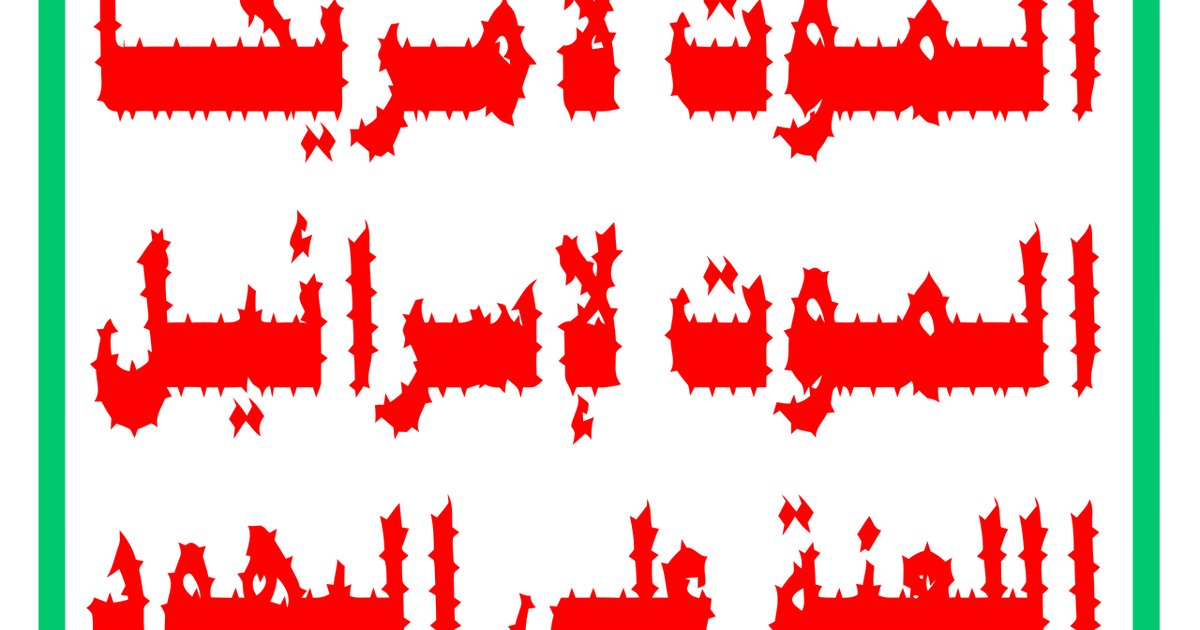
Houthis
# INTELLIGENCE DOSSIER: HOUTHIS
The Houthis are a Yemeni militant organization and de facto governing authority controlling northern Yemen, currently ranked 71st on the LeadersCartel Power Index with a monitoring-tier classification. Operating as both a political movement and armed force, they represent a critical flashpoint in Middle Eastern geopolitics due to their strategic positioning along the Red Sea's Bab al-Mandeb Strait, one of the world's most vital maritime chokepoints. Their sustained capability to project power through drone and missile strikes against regional adversaries—particularly Saudi Arabia and coalition allies—makes them operationally significant beyond Yemen's borders, with demonstrated capacity to disrupt global shipping and challenge US-allied military operations across the Gulf region.
The organization's current 5.2 power score reflects monitored-tier status tracking across 692 distinct intelligence sources. Their signal distribution pattern (2H/2E/0W) indicates two high-impact signals and two emerging developments without active watch-level concerns, suggesting stable operational capacity with emerging strategic dimensions. This positioning reflects neither rapid ascent nor decline but rather consolidation of existing influence networks. The Houthis maintain interconnected relationships with Pakistan, Saudi Arabia, Yemen's fragmented governance, Qatar, and UK-based monitoring entities, expanding their strategic relevance beyond traditional regional constraints.
Recent intelligence signals document Yemen's government forces advancing toward Bab al-Mandeb with documented coalition strike operations, indicating kinetic pressure on Houthi territorial holdings. Simultaneously, strike capability assessments on Riyadh reveal sustained offensive options for the Saudi-led coalition, while the third signal tracks President Trump's explicit signaling that the United States could join enhanced military action against the organization, marking a potential shift toward direct American intervention escalation compared to prior administration postures.
Analysts should monitor the 48-72 hour window for concrete US military commitment signals accompanying Trump's rhetorical positioning. The critical trigger event to track: any validated US-led strike coordination announcement that would constitute the first direct American operational involvement, fundamentally altering the Houthis' strategic calculus and likely prompting asymmetric response escalation through maritime or homeland targeting.