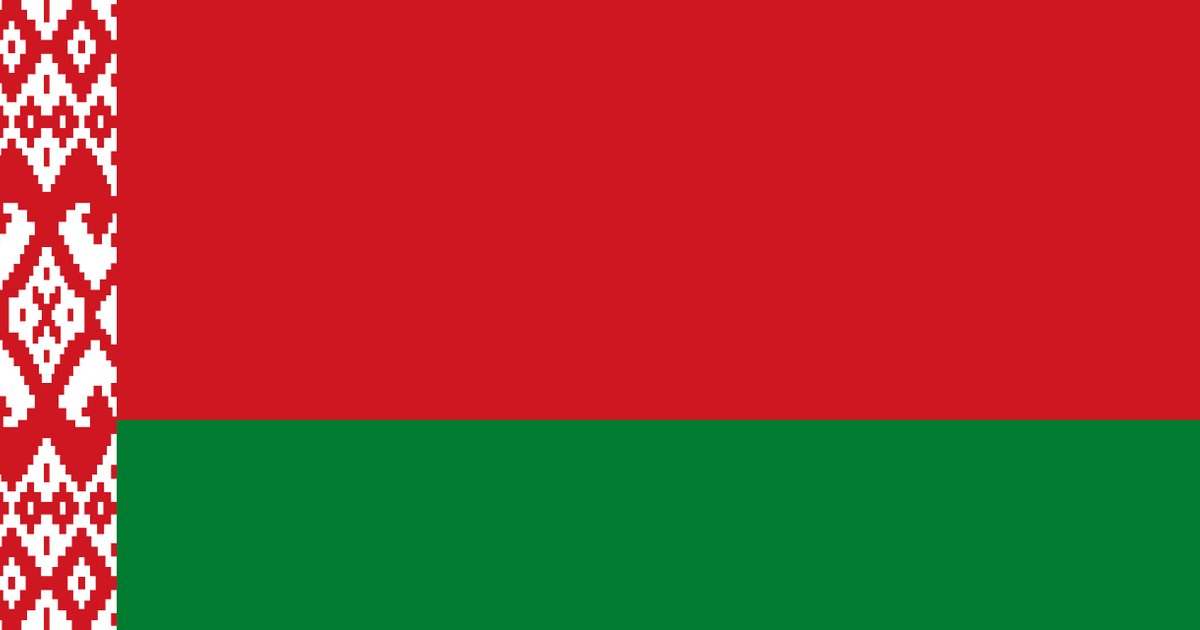
Belarus
BELARUS INTELLIGENCE DOSSIER — CLASSIFIED ANALYSIS
Belarus is an Eastern European nation-state of 9.4 million positioned as a contested buffer between NATO expansion and Russian sphere influence. Currently governed under Alexander Lukashenko's authoritarian regime since 1994, Belarus holds strategic significance as a transit corridor for energy exports, agricultural commodities (particularly potash), and military logistics supporting Russian operations. The country's geopolitical leverage derives from geographic proximity to Poland, Lithuania, and Latvia—NATO members whose borders Belarus shares—and its role as Moscow's most reliable ally during the Ukraine conflict. Despite economic sanctions and international isolation, Belarus remains operationally critical to Russian supply chains and military coordination.
Belarus ranks 114th on the LeadersCartel Power Index with a score of 3.3 out of 100, reflecting constrained autonomy and external dependency. Tracked across 26 active intelligence sources with an emerging signal distribution (0H/1E/0W tier classification), Belarus shows monitored-level volatility suggesting neither immediate escalation nor strategic breakthrough. The declining score trajectory indicates diminishing independent geopolitical capital; Lukashenko's regime maintains position primarily through Russian patronage rather than autonomous influence. This tier classification signals analysts should expect incremental developments rather than dramatic shifts in the near term.
This week's signals reveal three concurrent pressures. The potash import narrative highlights Western economic leverage—US procurement from Belarus despite sanctions reflects supply-chain desperation and potential negotiation vectors. Simultaneously, Belarusian foreign ministry condemnation of NATO's "Theory of Victory" plan demonstrates rhetorical alignment with Moscow while signaling anxiety about encirclement. Russia's reciprocal visa announcement for Montenegro suggests broader diplomatic realignment outside traditional Belarus-Russia bilateral focus, potentially indicating Moscow's reduced dependency on Minsk as sole proxy.
Monitor the next 72 hours for announcements regarding renewed Western sanctions targeting potash exports or Belarusian financial institutions. Watch for any NATO military posturing near Belarus borders, which typically triggers Lukashenko escalatory rhetoric. The critical trigger event: any trilateral meeting announcement between Belarusian, Russian, and Chinese representatives would signal deepening alternative alignment away from Western negotiation channels.