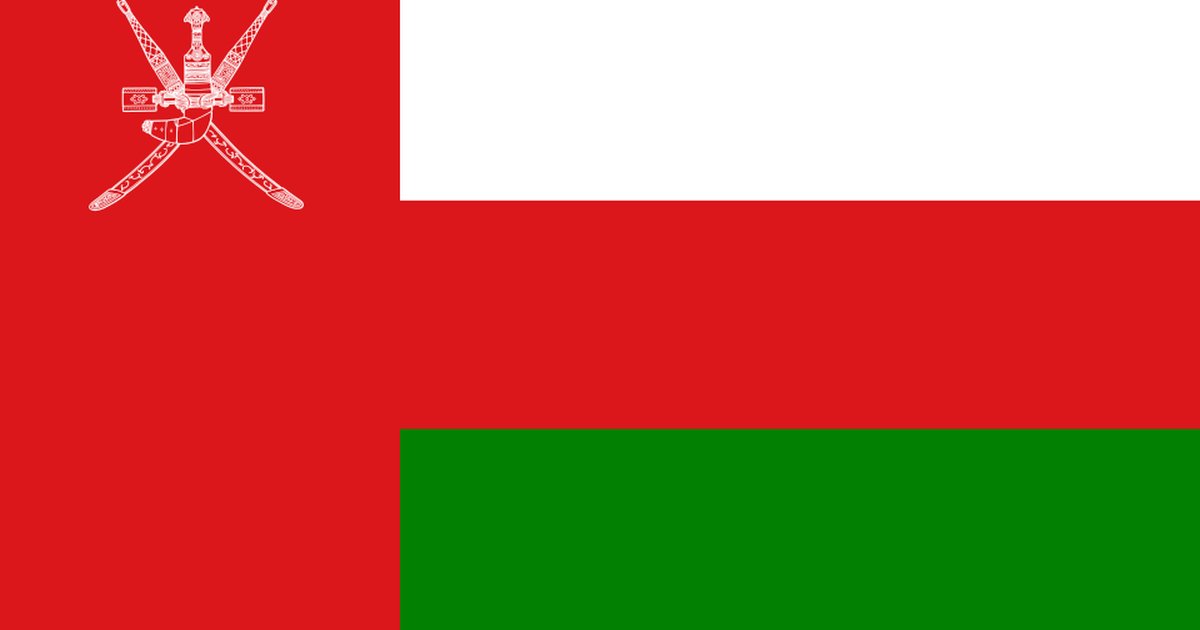
Oman
OMAN INTELLIGENCE DOSSIER — CLASSIFIED BRIEF
Oman is a Middle Eastern sultanate and critical geopolitical actor controlling the Strait of Hormuz chokepoint through which approximately 21 percent of global petroleum transits daily. Under Sultan Haitham bin Tariq since 2020, Oman maintains strategic autonomy as a non-aligned Gulf state, balancing relationships with Iran, Saudi Arabia, and Western powers while hosting vital US military logistics infrastructure. Their significance derives from geographic positioning, energy reserves, and demonstrated capacity to broker regional diplomacy independent of Gulf Cooperation Council consensus.
Oman registers at rank 86 on the LeadersCartel Power Index with a monitored-tier score of 4.5, tracked across 2223 active intelligence sources with signal distribution weighted toward emerging indicators (10E) and high-impact developments (2H). The maintained but modest ranking reflects Oman's deliberate low-profile approach to regional power dynamics. The zero watch-level signals (0W) suggest current stability without acute crisis indicators, though the emerging tier concentration indicates nascent policy shifts or diplomatic initiatives requiring continued monitoring. This positioning places Oman within the monitored category, indicating relevance without top-tier systemic influence.
Three specific headline signals this cycle reveal tactical positioning: First, domestic moral rhetoric regarding premarital chastity suggests cultural messaging preceding potential policy announcements. Second, White House spokeswoman turnover (five-day tenure) signals US diplomatic instability under the Trump 47th administration potentially affecting Gulf policy coherence. Third, Rodrigues-Birkett's UN leadership candidacy raises questions about Oman's multilateral engagement strategy and whether sultanate backing reflects broader gender-policy repositioning. Each signal cascades into regional alliance calculations.
Forward analysis through 72 hours should prioritize US-Oman military coordination changes under Trump's reconstituted State Department and monitor whether Oman deepens Iran engagement amid broader Middle East realignment. Watch specifically for any official Omani statements on Strait of Hormuz security protocols or energy agreements—this represents the primary trigger indicating either strengthened Western alignment or strategic hedging toward Persian Gulf alternatives.