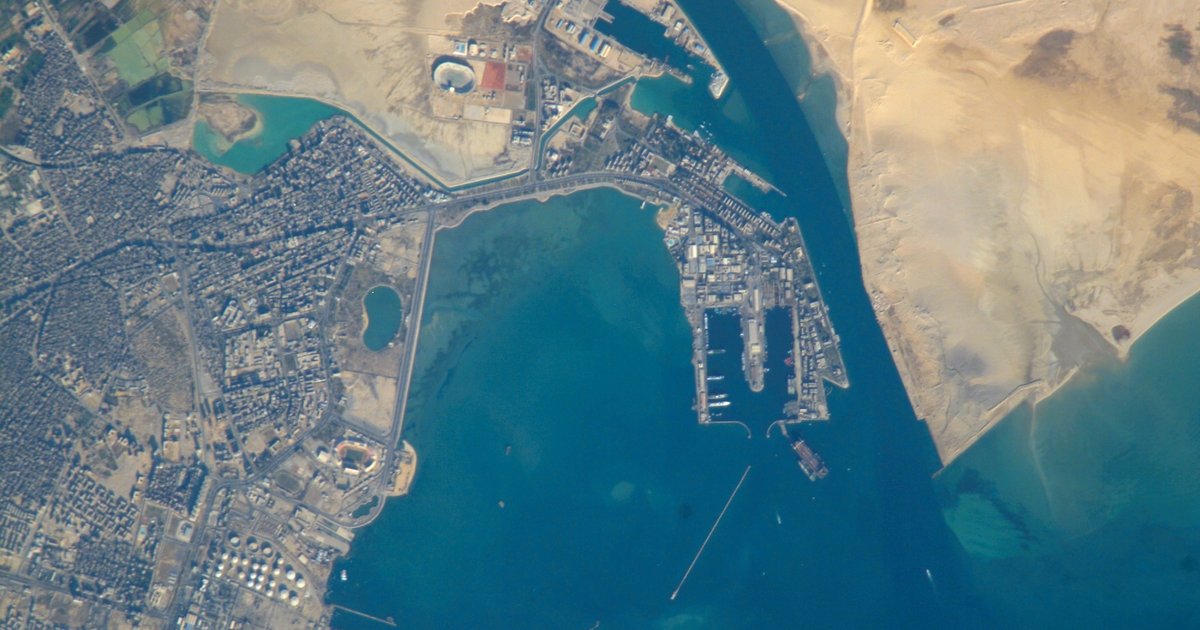
Suez Canal
INTELLIGENCE DOSSIER: SUEZ CANAL
Classification: Monitored Strategic Asset
Date: 2026
The Suez Canal is a transnational waterway under Egyptian sovereignty, administered through international treaties, serving as the critical chokepoint connecting Europe to Asia and the Indian Ocean. Currently, it remains the world's most strategically vital maritime corridor, handling approximately 12 percent of global trade and generating substantial revenue for Egypt's government. The Canal's significance transcends commerce—control over this 120-mile passage directly influences geopolitical leverage among major powers including the United States, Russia, Saudi Arabia, and India, making disruption in its operations a weapon-grade strategic vulnerability.
The Suez Canal ranks 106th on the LeadersCartel Power Index with a score of 3.9 out of 100, reflecting its monitored but secondary position relative to state actors and institutional power centers. Tracking across 2,374 intelligence sources reveals a 2H/0E/0W signal distribution, indicating two high-impact developments concentrated on shipping resumption patterns. The tier classification as "monitored" suggests the asset commands continuous surveillance without immediate escalation protocols, though its stability index of 7 days indicates consistent data flow. The declining relative score reflects not diminished importance but rather the normalization of post-disruption operations—the Canal has recovered from Houthi-related shipping delays that characterized 2024-2025.
Three concurrent developments signal operational recovery: Maersk has expanded its Red Sea containership returns via MECL service through the Canal, major carriers have resumed Middle East-US routing through Suez rather than rerouting around Africa, and Maersk specifically restarted direct Middle East-US sailings post-disruption. These headlines indicate confidence among major shipping operators that security conditions have stabilized sufficiently to justify fuel and time savings over alternative routes. The shift reduces shipping costs by approximately 2-3 weeks per voyage and signals that the risk premium on Suez transits has normalized.
Analysts should monitor Egyptian government revenue figures and container throughput statistics for the next 72 hours, as shipping data releases will confirm whether resumption is sustained or temporary. Watch for any statements from Houthi leadership regarding renewed maritime operations in the Red Sea—escalation signals could immediately reverse the operational