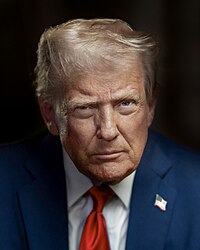
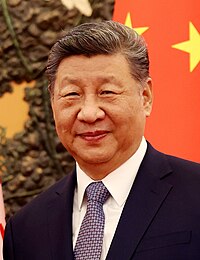
Donald Trump rejected calls for AI development restraints on September 12, according to multiple officials, refusing to cede technological ground to China. The decision comes as Xi Jinping's administration proposes a BRICS-led open-source AI zone designed to counter Western tech dominance. The two moves mark a hardening of competing technology strategies that sidelines international safety coordination.
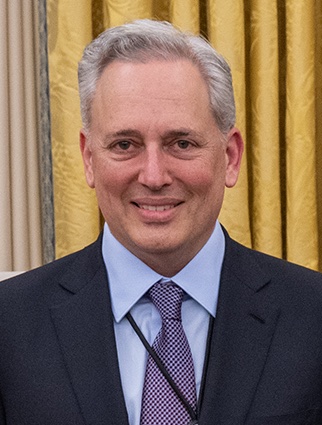
Trump's rejection of AI slowdown proposals—including those from OpenAI's Sam Altman and Anthropic's Dario Amodei—reflects a deliberate choice to treat AI development as a zero-sum competition. Billionaire David Sacks, a Trump ally, has publicly opposed safety-first governance models, arguing that restraint cedes advantage to Beijing. According to Defense News reporting on September 11, administration officials view development speed as the primary measure of strategic positioning in the broader US-China technology contest. The White House frames the stance as operational discretion, not recklessness.
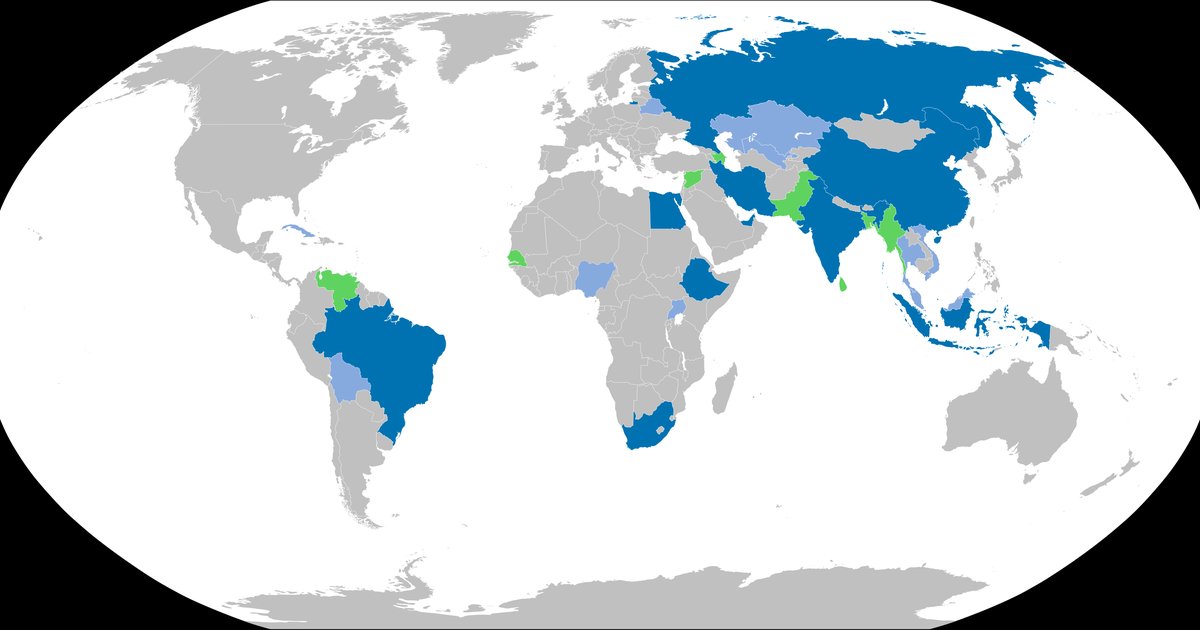
Beijing's countermove is equally explicit. Xi Jinping's proposal for a BRICS open-source AI zone, first reported by Reuters on September 12, positions itself as an alternative to Western-dominated platforms and governance frameworks. The initiative sits alongside BRICS acceleration of dollar-exit strategies and de-dollarization infrastructure. Nikkei Asia reported that the AI zone framework explicitly aims to serve economies seeking to avoid dependence on US technology ecosystems. This is not merely a research initiative; it is infrastructure for geopolitical autonomy.
The two strategies diverge sharply on governance. To be sure, US officials maintain that restraint agreements have historically favored adversaries through compliance asymmetries, a position many Silicon Valley investors share. Yet the Trump administration's position forecloses the possibility of negotiated safety standards—the very coordination mechanisms that prevented Cold War arms races from destabilizing beyond threshold. Without mutual restraint frameworks, both powers are incentivized to deploy AI systems with insufficient safeguards, accelerating a race toward capability rather than safety. This dynamic mirrors nuclear strategy in the 1960s, when arms-control treaties became impossible once both sides rejected negotiated limits.
The implications extend beyond bilateral competition. India's stated thaw with China masks persistent technology rivalries, while Europe faces pressure to choose sides on AI governance standards. The NASDAQ and S&P 500 closed up 0.96% and 0.86% respectively on September 12—a modest gain reflecting investor confidence in US tech leadership but also uncertainty about long-term regulatory coherence. The real battleground is institutional: whether AI development proceeds under any binding safety architecture, or whether speed becomes the sole metric of success.