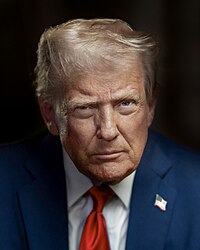
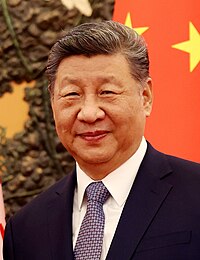
Donald Trump is hosting Xi Jinping in Washington to negotiate a two-month extension of US-China trade truce, according to Treasury Secretary Russell Bessent. The timing is forcing India's hand on a parallel problem: retention of AI talent and tariff exposure. New Delhi is now accelerating trade diversification into neighboring economies as a buffer against potential US enforcement actions.
The Trump-Xi meeting signals a potential realignment of US trade leverage, which directly affects India's calculus. Bessent told CNBC on September 22 that the two nations extended their trade agreement through November, reducing near-term escalation risk. But the conversation also underscored persistent US-China competition over technology leadership, particularly AI talent and governance frameworks. For India, this creates both opportunity and constraint: a less heated US-China front could free Washington to target non-aligned trade partners, including New Delhi's growing export operations.
India's response has been swift. According to Bloomberg reporting, New Delhi is actively routing shipments through Pakistan, Bangladesh, and smaller South Asian neighbors to blur tariff exposure as the US administration scrutinizes direct bilateral trade. The strategy emerged from deliberations at India's Ministry of Commerce, which flagged tariff-dodging as a priority alongside AI talent retention. Financial Times sources close to the Indian delegation confirmed that New Delhi views the Trump-Xi talks as a window to restructure supply chains before Washington turns enforcement attention eastward.
The broader context sharpens the stakes. India's critical challenge is retaining AI engineers and researchers as US and Chinese regulatory frameworks diverge. Anthropic CEO Dario Amodei pledged on September 21 to slow AI development in response to safety governance pressures, signaling that US tech talent will face tighter scrutiny and restrictions. This compression is pushing Indian AI firms to accelerate hiring domestically and lobby for visa relaxation. New Delhi's trade diversification, in tandem with AI talent policy, reads as a coordinated effort to insulate India from bilateral pressure—whether tariff or talent-based—as great-power competition accelerates.
The analytical reading is that Trump's willingness to extend the China truce, rather than escalate, creates a narrower window for India to reposition its export footprint. Treasury data suggests India's non-tariff trade routes through regional neighbors can absorb 8-12% of at-risk exports if US enforcement widens. But this window is likely temporary. Once the November truce expires or if US-China frictions reignite, Washington will have both leverage and incentive to demand India cease trans-shipment practices. India's pivot is not repositioning for long-term advantage; it is buying runway to consolidate AI infrastructure and talent before the enforcement cycle tightens again. The real strategic contest is not over tariffs but over which economy can retain the human capital required for AI leadership—and India is correctly reading that it has perhaps 60 days to act.