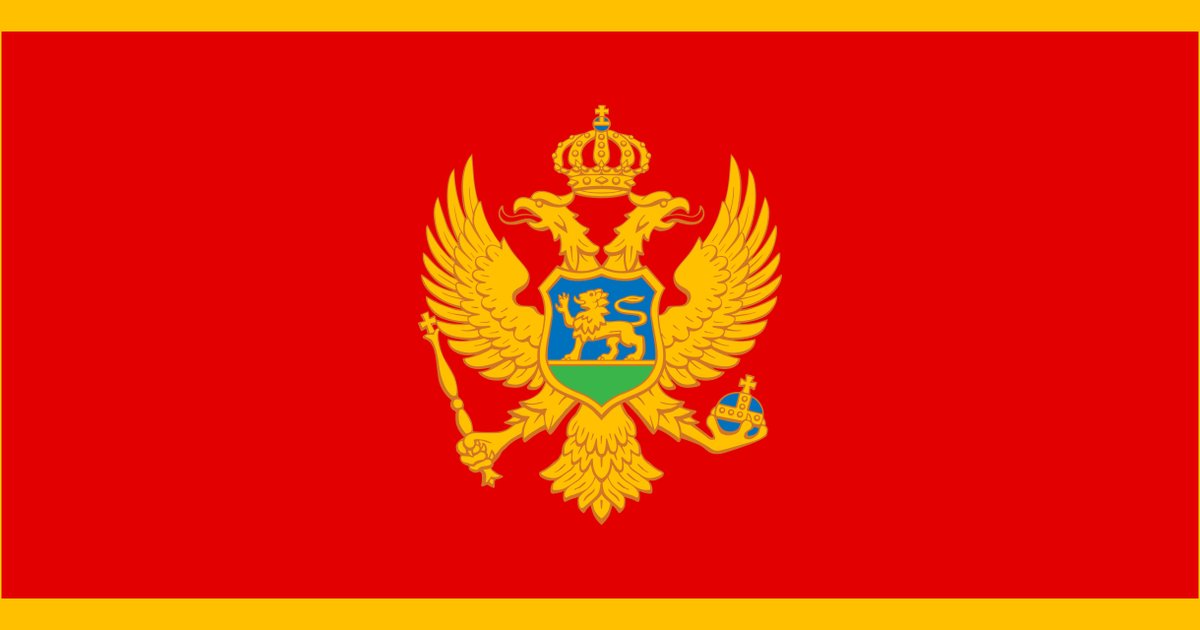
Montenegro
INTELLIGENCE DOSSIER: MONTENEGRO
Montenegro is a small Balkan nation-state of approximately 620,000 people currently pursuing European Union accession as its primary strategic objective. Despite its modest population and GDP of roughly $7.2 billion, Montenegro occupies critical geopolitical real estate as a NATO member (since 2017) and the only remaining non-EU candidate in the Western Balkans actively progressing toward bloc membership. The country serves as a strategic buffer zone between NATO-aligned territories and Russian sphere-of-influence regions, making its institutional development and sovereignty questions of disproportionate importance to transatlantic security architecture.
Montenegro's LeadersCartel Power Index ranking of 160 with a score of 2.3 reflects its status as a micro-state with limited independent leverage in global affairs. The entity is tracked across 43 active intelligence sources with a signal distribution of 0 high-impact indicators, 2 emerging signals, and 0 watch-level alerts, positioning it in the "monitored" tier—indicating stable but subordinate geopolitical positioning. This ranking trajectory suggests neither rising influence nor concerning decline, but rather entrenched peripherality in European power structures, where Montenegro's agency depends substantially on larger powers' decisions regarding regional integration pathways.
Current developments center on Croatia's blockade of Montenegro's EU accession timeline. Germany, under newly installed Chancellor Friedrich Merz, has intensified diplomatic pressure on Croatia to resolve bilateral maritime and wartime grievance disputes that threaten Montenegro's projected 2028 EU membership deadline. Croatia's wartime territorial claims and grievances from the 1990s Balkans conflicts have elevated from dormant historical friction to active negotiating leverage against Montenegro's EU prospects, fundamentally constraining Montenegro's strategic autonomy and creating a dependency relationship with German-led EU diplomatic initiatives.
Analysts should monitor whether Germany's pressure campaign achieves Croatian concessions within the next 72 hours, as the upcoming EU Council session represents the critical decision point. The specific trigger event to watch: any formal statement from Croatia's government either accepting or rejecting Germany's mediation framework will determine whether Montenegro's 2028 accession timeline remains viable or faces multi-year delay, directly impacting NATO's Balkans consolidation strategy.