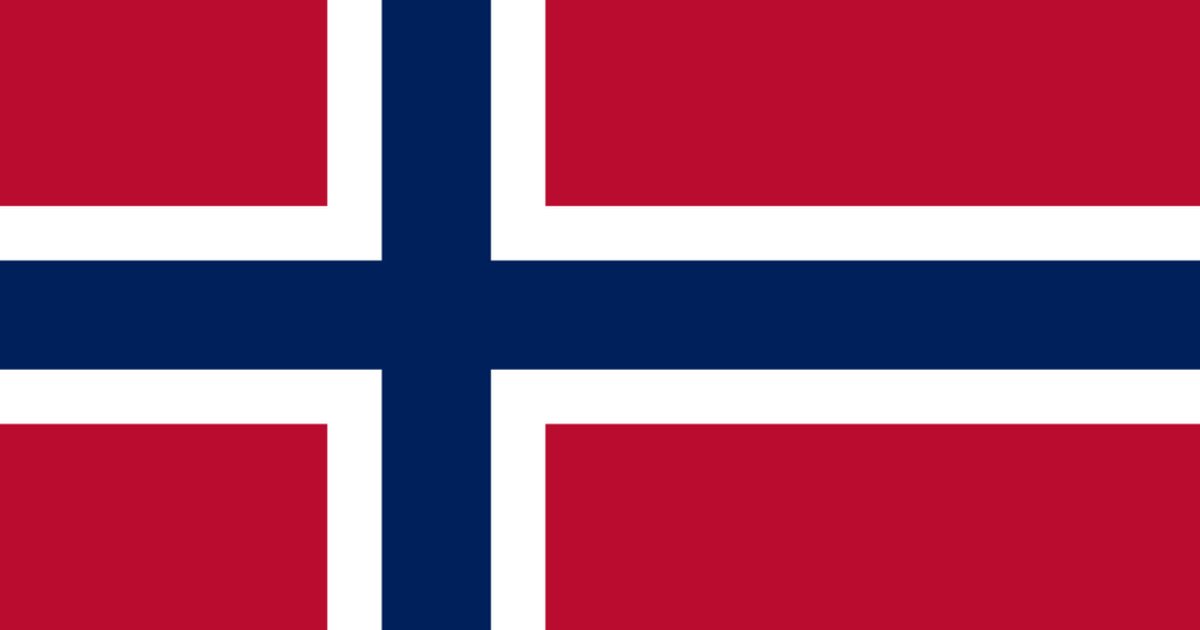
Norway
NORWAY INTELLIGENCE DOSSIER
Norway is a Nordic constitutional monarchy and NATO member state with critical strategic positioning along Russia's northwestern border. As a high-income economy with substantial energy reserves and advanced military capabilities, Norway serves as a crucial geopolitical anchor for NATO's northern flank, particularly given its direct proximity to Russian territory and Arctic interests. The country maintains significant defense partnerships with the United States and United Kingdom while hosting critical NATO infrastructure, making its institutional integrity and procurement processes matters of direct alliance security.
Norway currently ranks 104th on the LeadersCartel Power Index with a stability score of 3.6, tracked across 1017 active intelligence sources. The monitoring tier reflects one high-impact signal, two emerging developments, and zero watch-category alerts, indicating contained but notable institutional pressures. The score trajectory suggests stable geopolitical influence offset by internal governance concerns that warrant sustained analytical attention. Norway's position reflects its established NATO role balanced against emerging vulnerabilities in defense procurement oversight and institutional credibility.
Three critical developments emerged this reporting cycle. A fraud probe targeting NATO contracts generated five arrests in Norway with concurrent searches in Germany, directly threatening the alliance's supply chain integrity and raising questions about procurement safeguards across multiple member states. Simultaneously, Norway deepened bilateral defense cooperation with the United Kingdom through formal agreement mechanisms, signaling confidence in traditional alliance structures despite procurement vulnerabilities. These parallel signals suggest Norway is simultaneously strengthening external partnerships while confronting internal institutional challenges within its defense establishment.
Analysts should monitor whether additional arrests expand beyond current cases or implicate senior defense officials, as this would elevate governance concerns from isolated misconduct to systemic procurement failure. Track UK-Norway defense agreement implementation pace as a confidence indicator. The specific trigger requiring 48-72 hour attention is any evidence linking arrested individuals to Russian intelligence operations or Chinese procurement networks, which would reframe this as counterintelligence rather than administrative corruption.