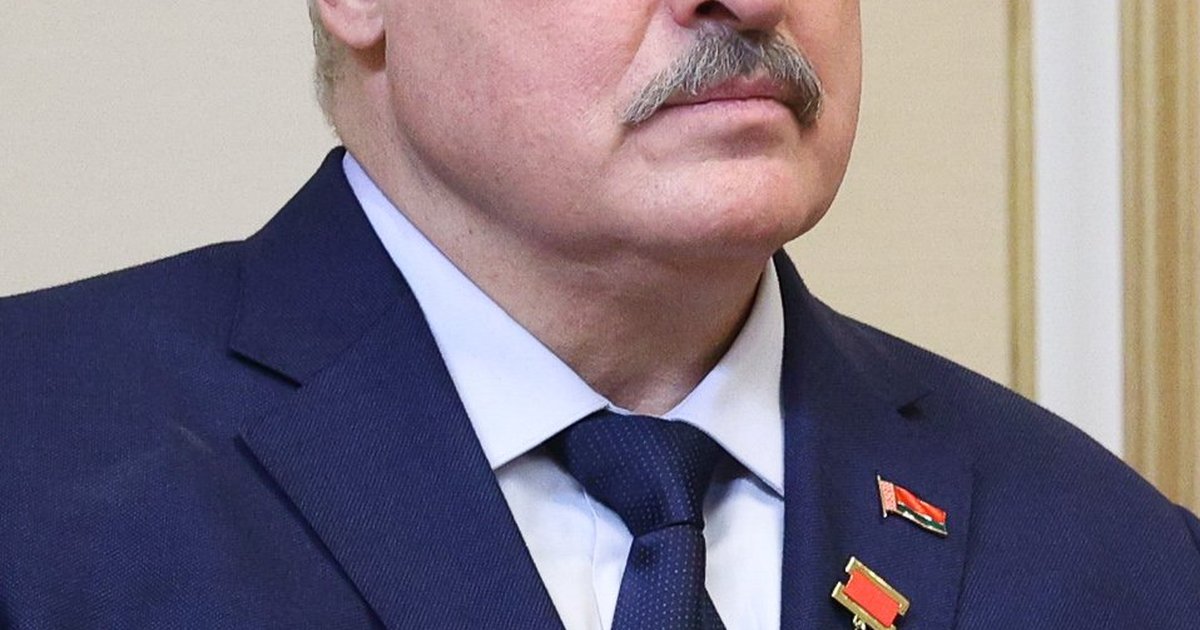
Alexander Lukashenko
# INTELLIGENCE DOSSIER: ALEXANDER LUKASHENKO
Alexander Lukashenko is the incumbent President of Belarus, a former Soviet state strategically positioned between Russia and NATO-aligned European Union member states. Lukashenko has maintained authoritarian control since 1994, serving as Moscow's closest regional ally while navigating international isolation following disputed 2020 elections and subsequent crackdowns on opposition. His significance derives from Belarus's geographic centrality to Russian security calculations and his utility as a political and economic proxy within the Russian sphere, particularly regarding CIS cohesion and continental energy infrastructure.
On the LeadersCartel Power Index, Lukashenko ranks #145 globally with a normalized score of 2.3, placing him within the monitored tier tracked across 23 active intelligence sources. His signal distribution (1 high-impact, 0 emerging, 0 watch-level indicators) suggests concentrated but stable influence rather than volatile trajectory. The single high-impact signal indicates sustained relevance within Eurasian geopolitics, though his declining absolute rank relative to previous cycles reflects marginalization from Western decision-making architecture and limited independent economic leverage outside Moscow's orbit.
Recent activity confirms Lukashenko's deepening interdependence with Russia. His assertion that "opponents miscalculated on CIS longevity" signals defensive positioning amid regional uncertainty, while simultaneous proposals for joint aviation sector development with Russia and fertilizer collaboration involving US participation indicate tactical attempts to diversify revenue streams and reduce isolation. These moves represent tactical pragmatism rather than strategic reorientation, each announcement calibrated to maintain Moscow alignment while probing international sanction relief pathways.
Analysts should monitor Belarus-Russia military coordination indicators and any movement toward formal political union structures over the next 72 hours. The specific trigger event: any official announcement regarding joint military command integration or CIS institutional deepening would signal accelerated Russian leverage consolidation. Concurrent tracking of Western sanctions policy toward Belarus and Belarus-China trade flows will indicate whether Lukashenko pursues genuine diversification or performs tactical maneuvering.