G7
# INTELLIGENCE DOSSIER: G7 ORGANIZATION
**CLASSIFICATION: SENIOR ANALYST BRIEFING**
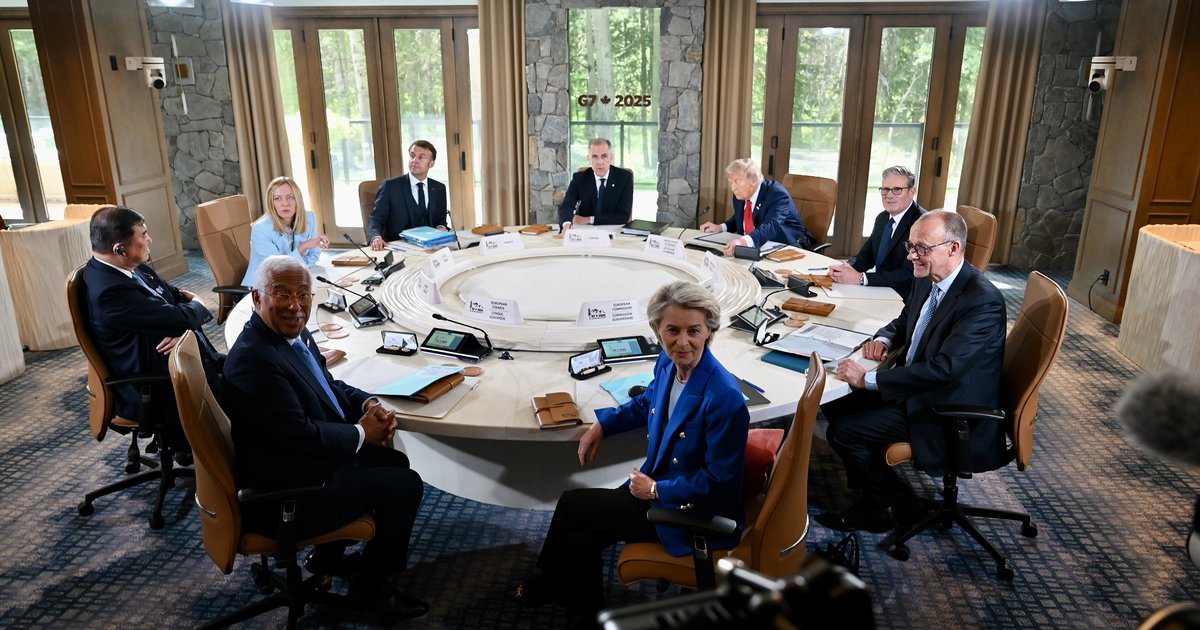
The Group of Seven represents the world's seven largest advanced democracies—United States, United Kingdom, France, Germany, Italy, Canada, and Japan—functioning as an informal coordination mechanism for global economic and geopolitical policy. Currently chaired rotating leadership, the G7 convenes senior officials including President Trump (US), Prime Minister Keir Starmer (UK), President Emmanuel Macron (France), Chancellor Friedrich Merz (Germany), PM Narendra Modi (observer capacity for India), and counterparts from Italy, Canada, and Japan. The organization's significance derives from its members' combined GDP exceeding 50 percent of global economic output and their collective ability to shape international trade, sanctions regimes, and security architecture. The G7 functions as the primary coordinating body for Western responses to systemic challenges including energy security, technological competition with China, and strategic alignment against Russian aggression.
G7 maintains a "monitored" tier classification with rank 210 on the LeadersCartel Power Index, scoring 1.1 across 129 tracked intelligence sources. Signal distribution reveals one high-impact indicator (1H) with no emerging or watch-level signals currently active, suggesting consolidated institutional stability but limited acute crisis activity. This positioning reflects the organization's mature, established character—powerful but operating within predictable parameters rather than generating volatile market-moving developments. The absence of elevated emerging signals indicates routine coordination mechanisms remain functional despite constituent member domestic pressures.
Three critical developments emerged this week. Pakistan's political emergency, with former Chief Minister detention and PTI leadership arrests, signals destabilization within a nuclear-armed state where G7 members hold strategic interests—particularly relevant to Trump administration Afghanistan withdrawal implications and energy corridor security. The IndiGo flight diversion caused by mid-air power bank fire underscores supply chain vulnerabilities across Indian airspace during G7-India engagement intensification. Most significantly, emergency crude releases risk depleting global strategic petroleum reserves, directly threatening the energy security cushion G7 economies depend upon for economic stability and geopolitical leverage against OPEC and Russia.
Analysts should monitor whether emergency oil releases continue, potentially triggering energy price volatility that could fracture G7 consensus on sanctions against Russia